
Case Study
The Challenge
For almost seventy years, Samovar Carpets & Antiques had sold some of the finest woven art in the world, but its market was shrinking. Its loyal customers belonged to an older generation. Younger buyers perceived carpets as old-fashioned, the traditional Persian rug of another era, and few knew about the contemporary designers reinventing the craft. Customers walked in ready to haggle, the way carpets have always been sold in the Middle East, and valued each piece like furniture. Samovar came to us to help it find the next generation of sophisticated buyers, people who would perceive a fine carpet as an investment worth making.
The Insight
A fine carpet has always been a work of art. Royal courts commissioned carpets, museums collected them, and painters from Holbein to Matisse put them on their canvases, while today’s designers are reinventing the craft. By presenting its carpets as art, Samovar could speak to an affluent, educated clientele who invest in art and would never haggle over a masterpiece. None of its competitors had claimed this position, which left Samovar free to become a house of woven art.
The Solution
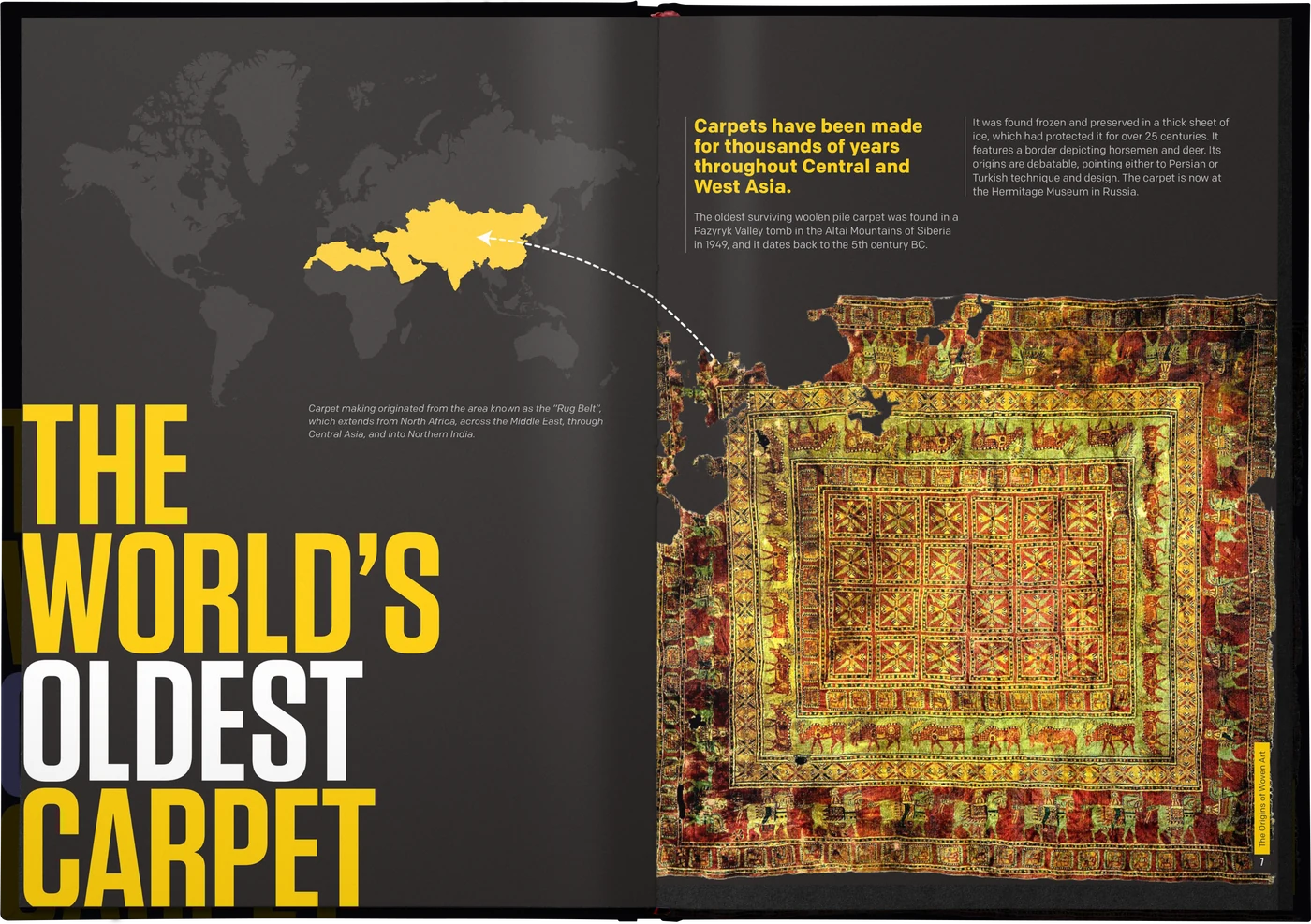
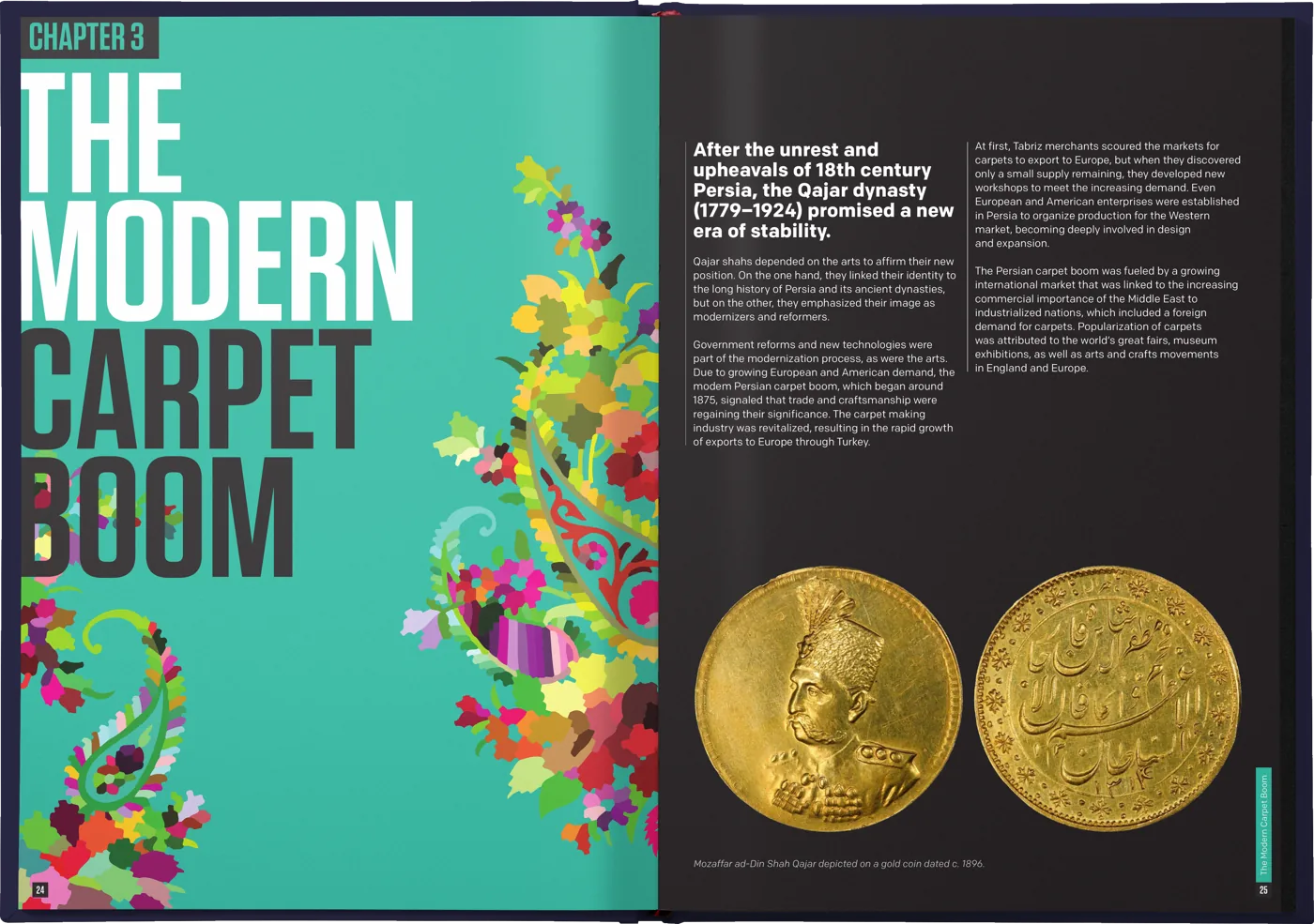
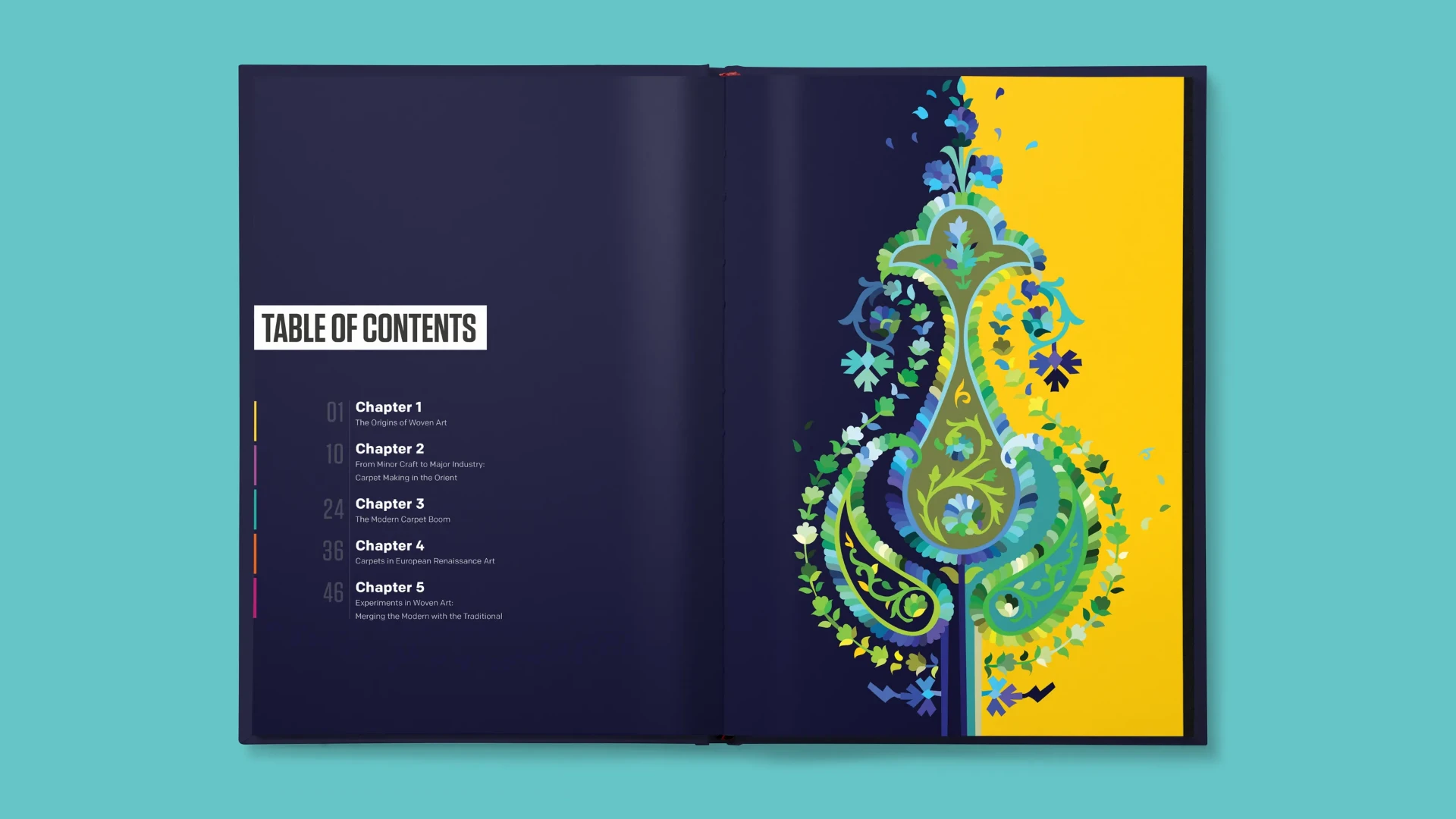
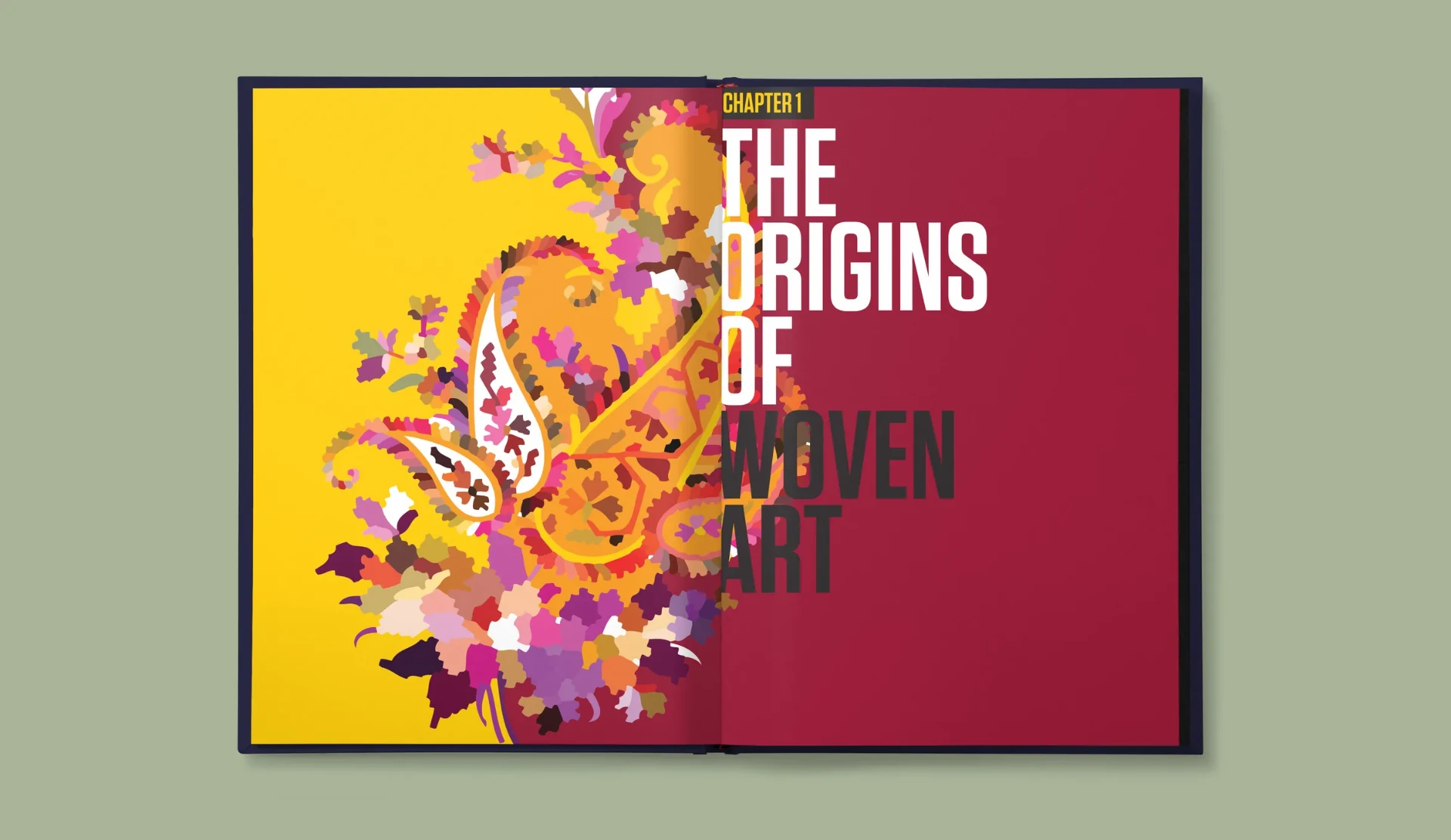
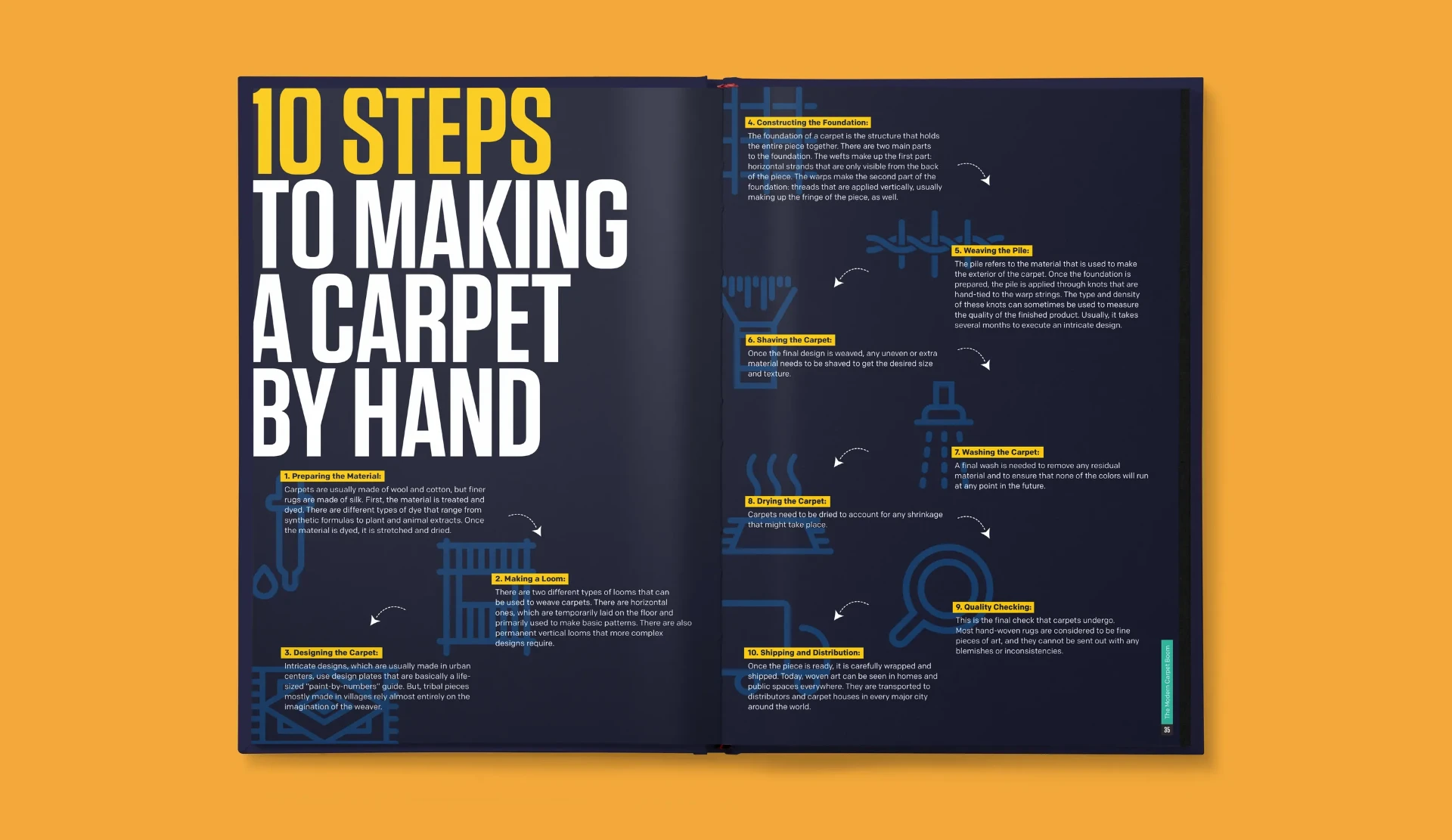
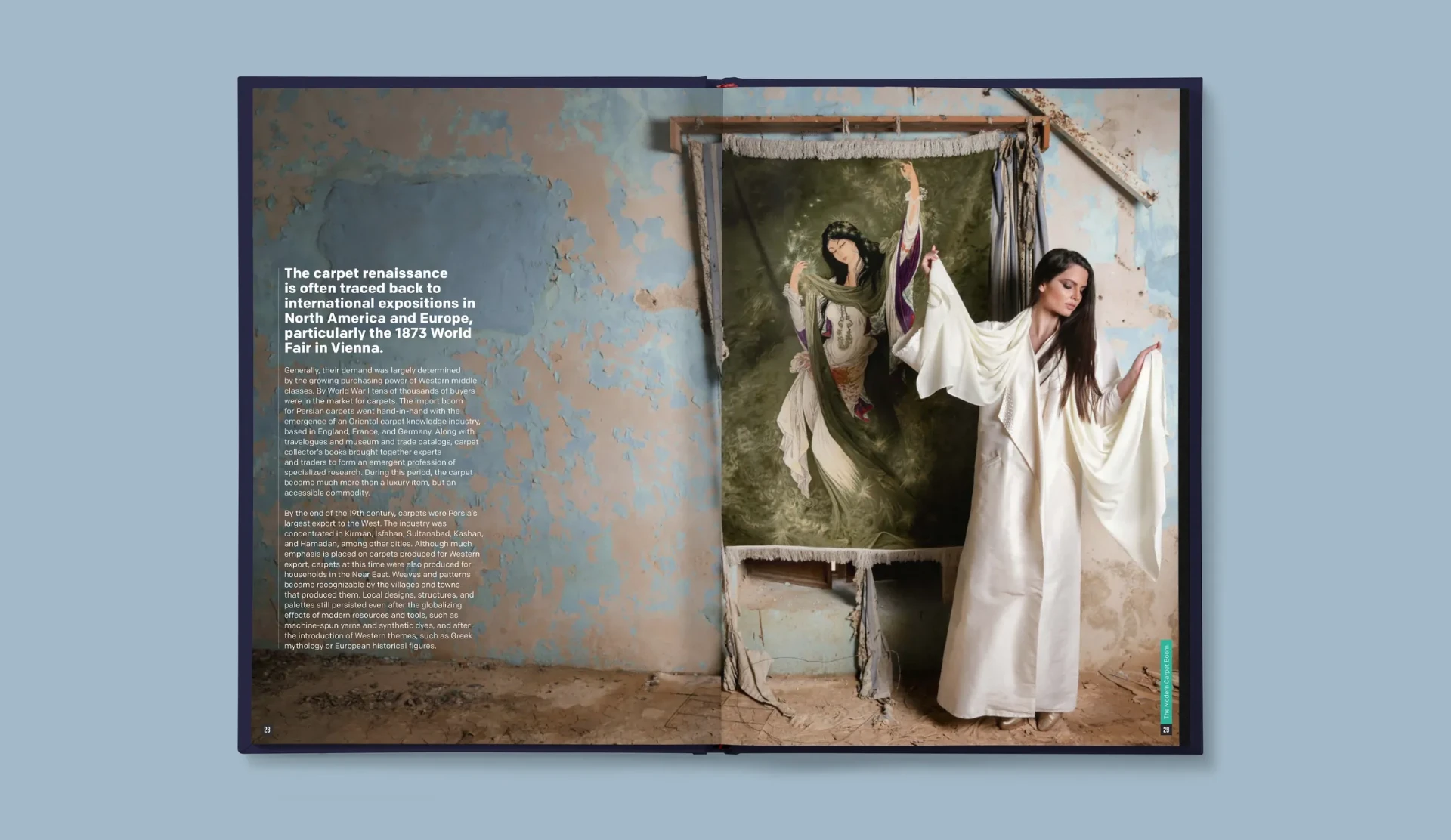
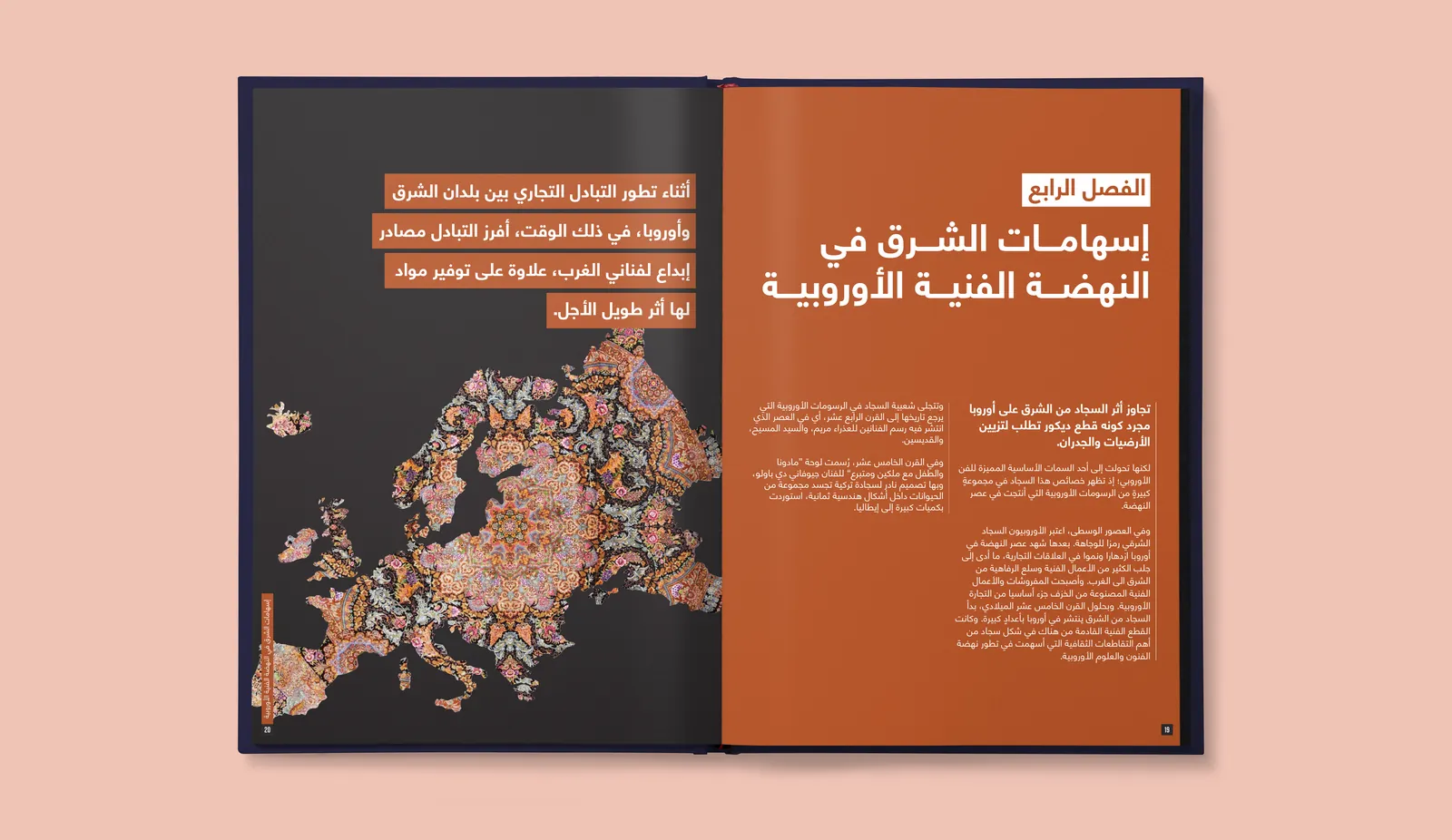
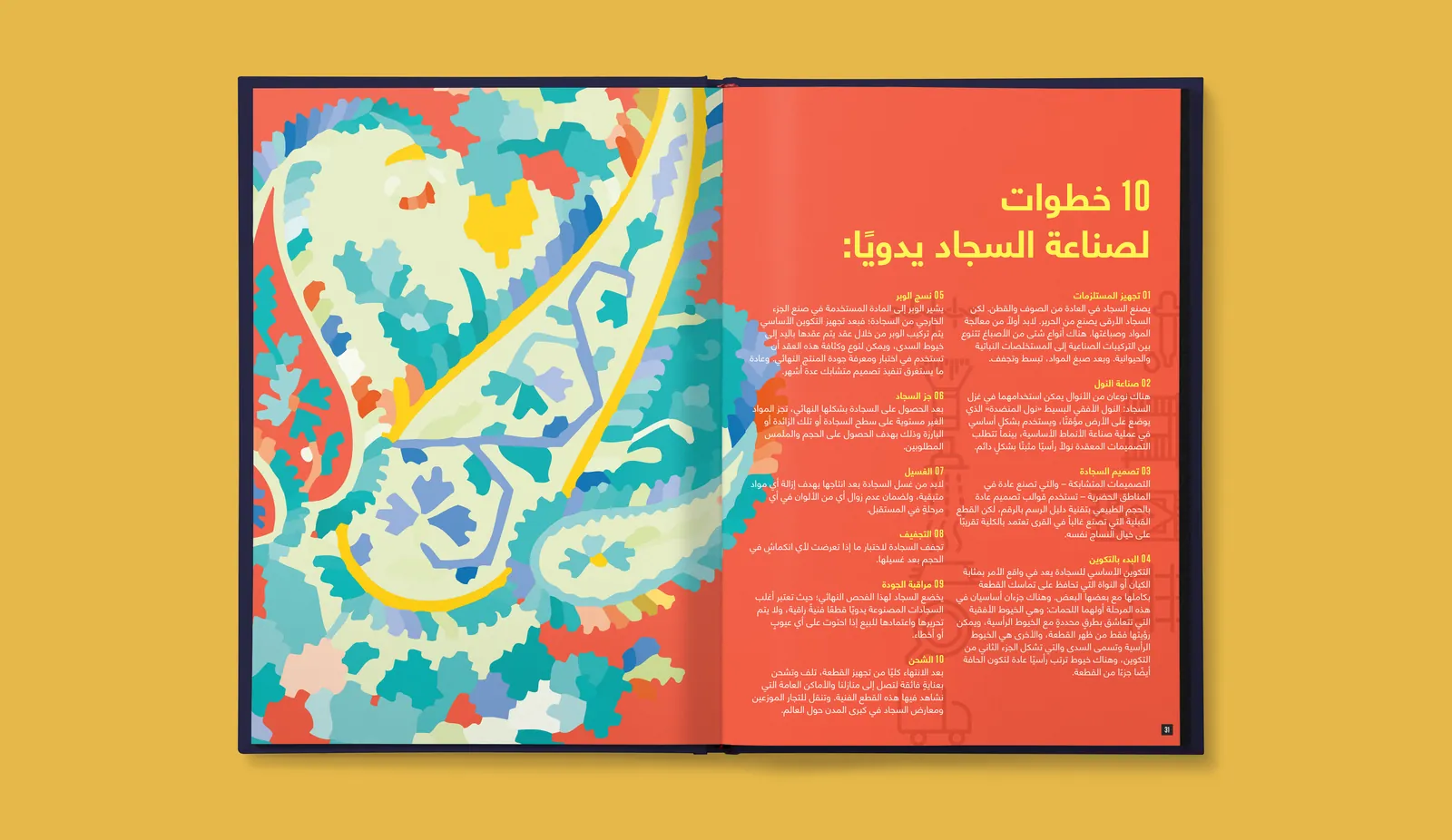
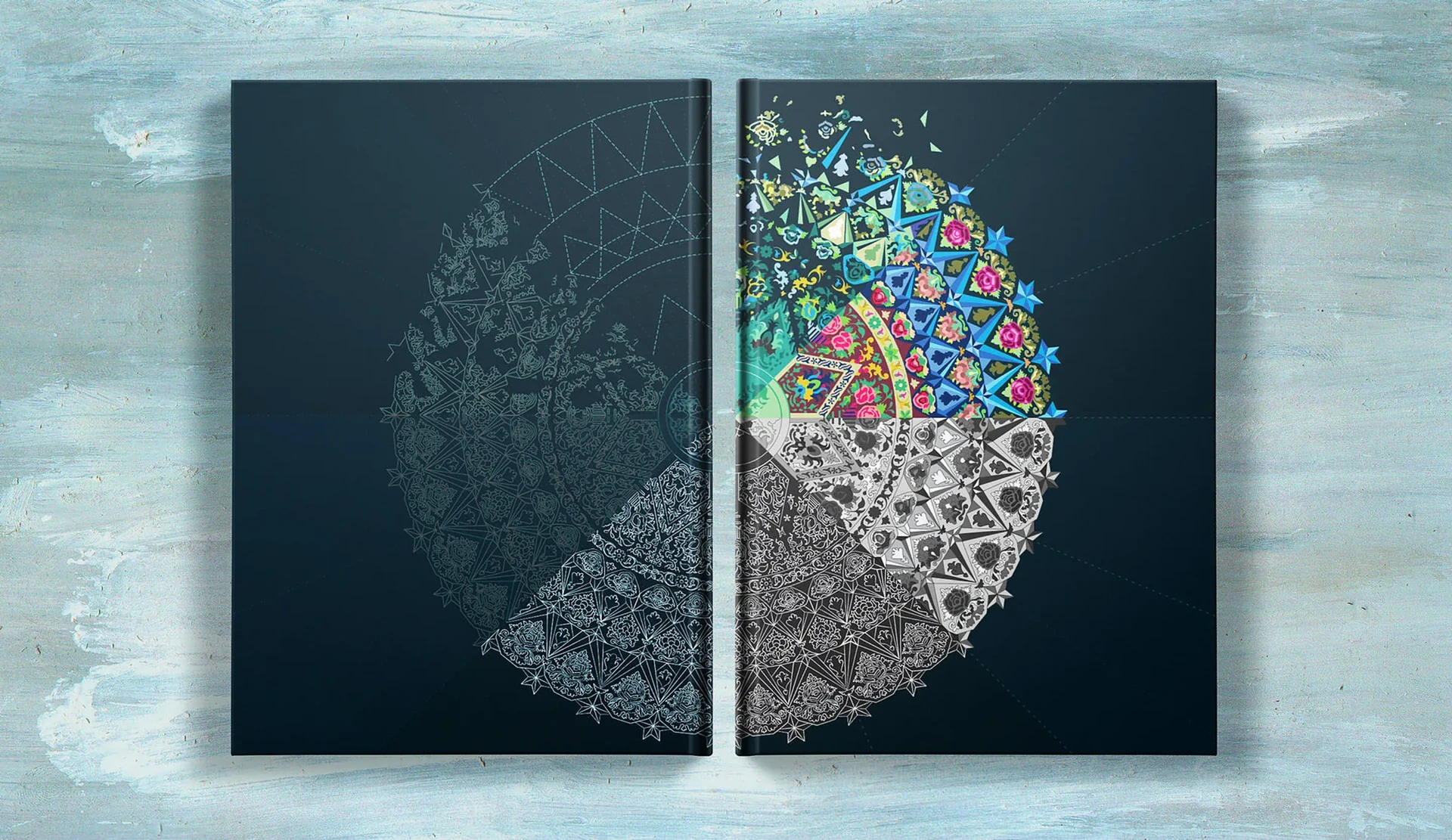
To own a new category, Samovar needed authority, so we wrote the book on woven art. We led the research, wrote and translated every chapter, and designed a bilingual collector’s edition that positioned Samovar as the leading voice on carpets as art. The book follows woven art from the world’s oldest surviving carpet through the royal courts of Persia and the canvases of Europe’s great painters, to the contemporary designers reinventing the craft today. With the Islamic pattern artist Aziza Iqbal, we created a cover that tells the whole story in one image. An editorial photoshoot then placed Samovar’s carpets in the world of fashion and art, where its new clientele already lived.


The first city to say “We’re accessible” to a billion travelers
Visit Dubai
Changing the conversation around diabetes
Droobi Health
Putting a name on Toronto’s favorite coffee
Hale Coffee

From newcomer to neighborhood favorite
Hilton Doha The Pearl
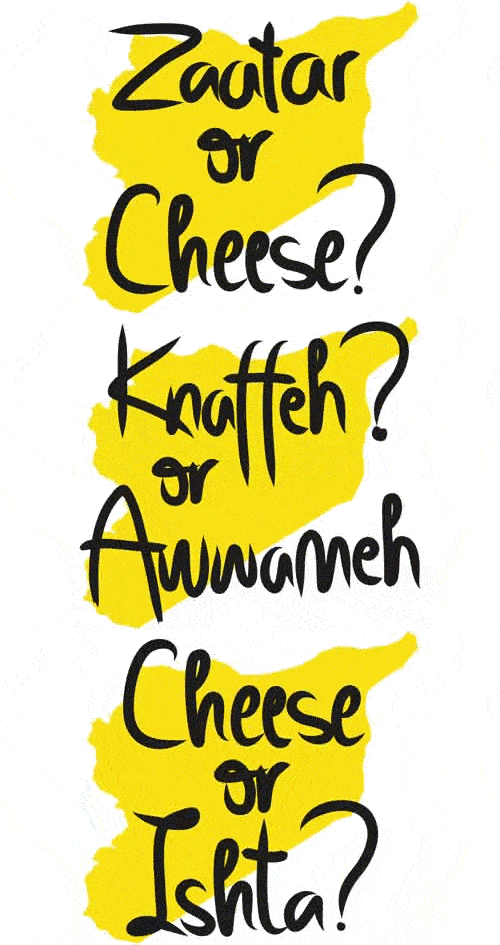
From Damascus to Queen West
Soufi’s
From ticker symbol to master brand
DXB Entertainments
Expanding from online into brick and mortar
Raw ME
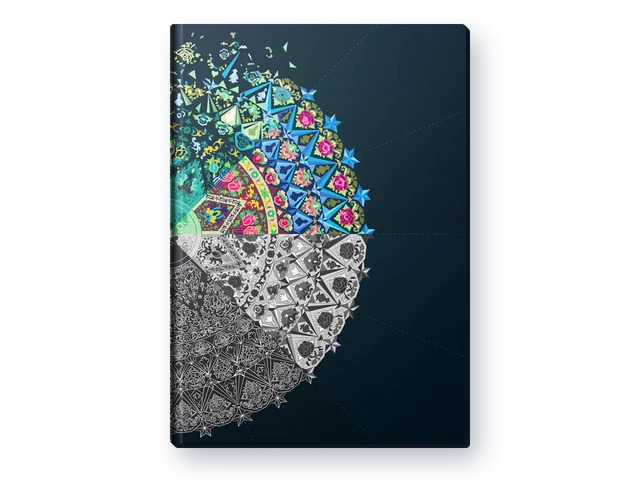
Turning carpets into collectibles
Samovar
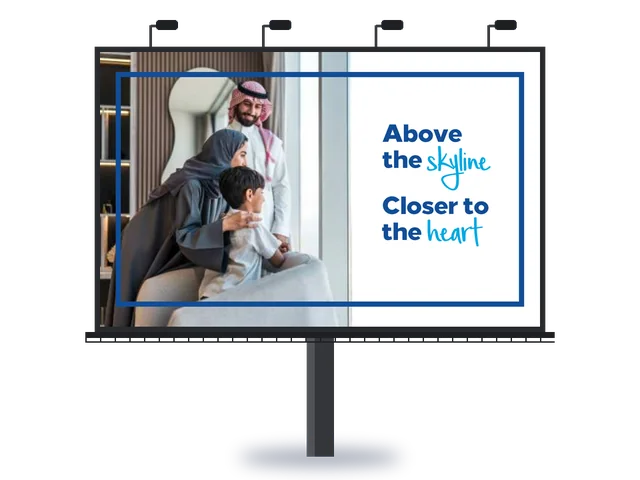
The market every rival hotel missed
Hilton Bahrain City Center

Premium and proudly local
Intermarket
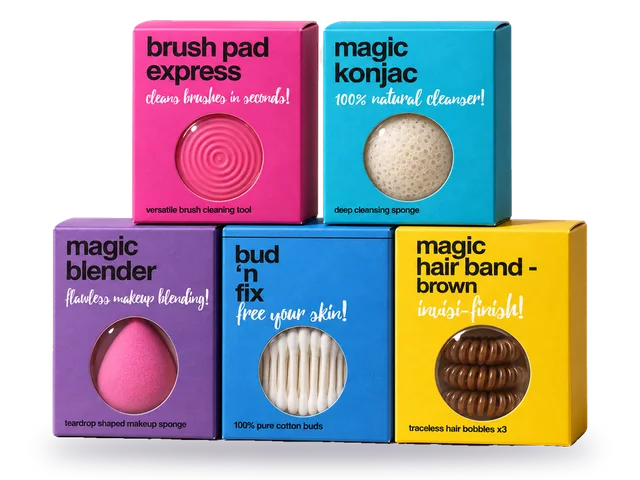
Bingeable beauty
Beauty Essentials
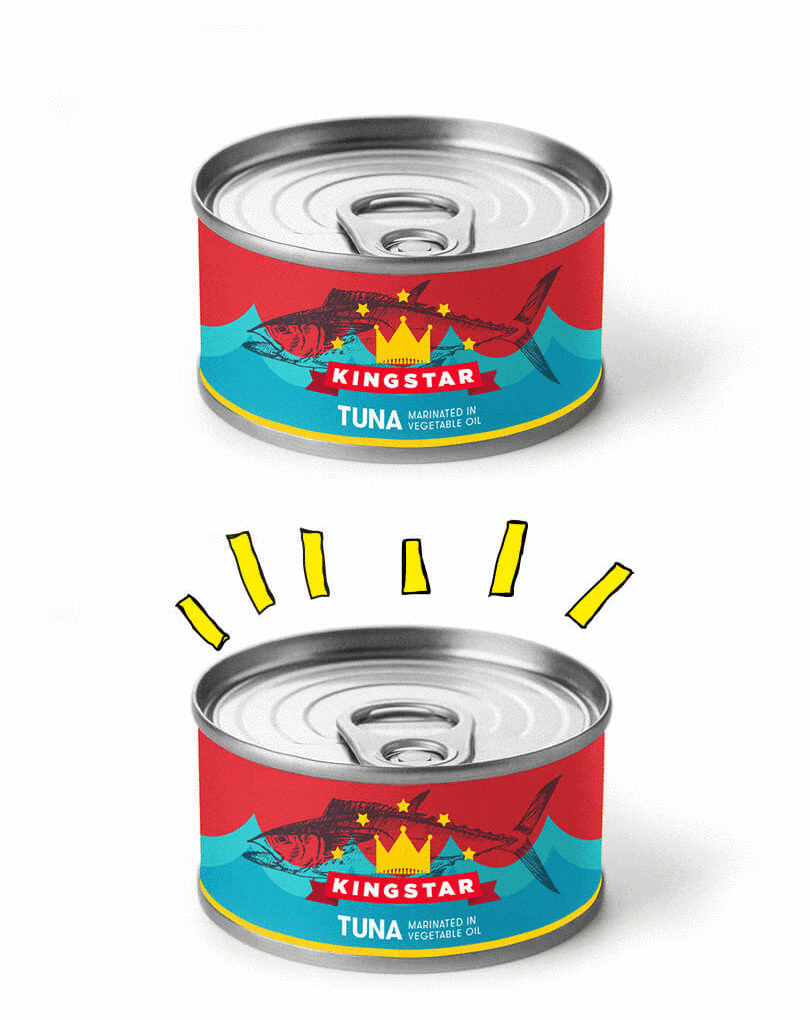
From distributor to brand builder
Webcor Group
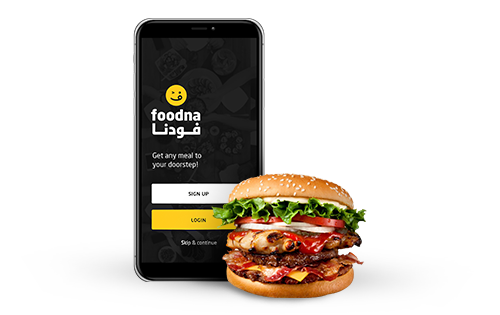
A newcomer against the giants
Foodna


Delivering trust, one order at a time
Tam
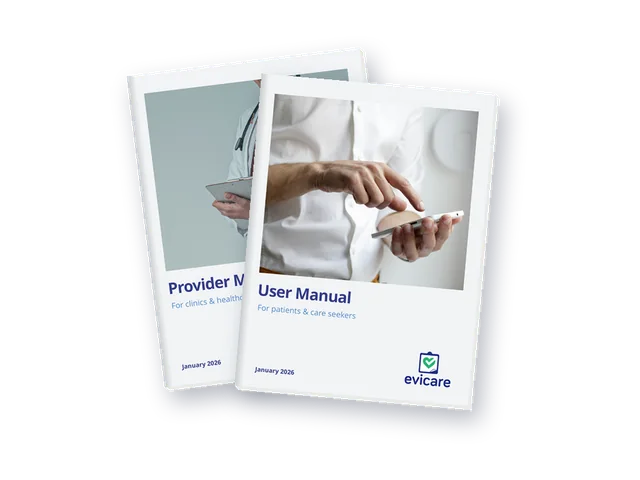
One brand, three doors
Evicare